Vinayak Education

Education

Importance of Reading Habits in Student Life
Education, Teacher Training Courses

Importance of Reading Habits in Student Life: 7 Powerful Benefits

Introduction Importance of Reading Habits in Student Life cannot be overstated. Reading is not just a hobby—it is a foundation for academic excellence, personal growth, and lifelong success. Students who develop strong reading habits gain knowledge, improve focus, and build skills that extend far beyond textbooks. In today’s digital world, where distractions from smartphones and social media are common, nurturing the habit of reading can transform a student’s life positively. This blog explores the 7 powerful benefits of reading habits in student life, challenges students face in building the habit, practical tips to overcome them, and why reading remains one of the smartest investments in a student’s future. 1. Builds Strong Academic Foundation The Importance of Reading Habits in Student Life begins with academics. Reading is the cornerstone of academic excellence. When students develop strong reading habits: 📌 Positive Sentiment: Students who follow the Importance of Reading Habits in Student Life and read daily perform better in exams and grasp difficult concepts easily.📌 Negative Sentiment: Students who avoid reading often miss the importance of reading habits in student life, struggle with comprehension, and lack confidence during assessments. 2. Enhances Concentration and Focus One of the greatest benefits highlighting the Importance of Reading Habits in Student Life is the ability to focus for longer periods. Unlike scrolling social media, reading demands deep concentration. 📌 Research shows that students who understand the importance of reading habits in student life and read for at least 30 minutes a day have stronger attention spans and better academic outcomes. 3. Expands Knowledge Beyond Classrooms The importance of reading habits in student life goes far beyond textbooks. Students who cultivate regular reading habits can explore: 📌 Positive: The importance of reading habits in student life helps expand a student’s worldview, creativity, and intellectual curiosity.📌 Negative: Students who avoid reading may develop a narrow perspective, limiting their growth and understanding of the world. 4. Improves Communication and Writing Skills One of the key aspects of the importance of reading habits in student life is that strong readers often become strong writers and confident speakers. 📌 For example, a student who reads newspapers daily demonstrates the importance of reading habits in student life by developing a rich vocabulary and staying updated with current affairs, which is crucial for exams and future career growth. 5. Develops Critical Thinking and Problem-Solving Reading habit encourages students to analyze, interpret, and question information critically. 📌 Positive: Builds leadership qualities and decision-making skills.📌 Negative: Without reading, students may rely only on limited viewpoints, reducing creativity. 6. Reduces Stress and Improves Mental Health Student life can be stressful due to academic pressure and peer competition. Reading is a healthy escape that: 📌 A 2019 study by the University of Sussex found that reading for just 6 minutes can reduce stress levels by 68%. 7. Shapes Lifelong Learning and Success Perhaps the most important aspect of reading habits in student life is how it creates lifelong learners. 📌 Leaders like Warren Buffett and Bill Gates emphasize daily reading as a habit behind their success. Challenges in Developing Reading Habits While the importance of reading is undeniable, students face challenges: Practical Tips to Build Reading Habits in Student Life Role of Parents and Teachers Parents and teachers play a key role in encouraging reading habits: Conclusion The Importance of Reading Habits in Student Life lies in the fact that it shapes academic performance, communication skills, creativity, and emotional well-being. Students who adopt reading as a daily habit unlock opportunities for personal growth, professional success, and lifelong learning. In contrast, ignoring reading habits may lead to distraction, lack of focus, and limited knowledge. Therefore, students, parents, and educators must work together to make reading a culture, not just an activity. Reading is not just a habit—it is the key to unlocking success and wisdom in student life.

Challenges in Online Learning & Solutions: 7 Fixes
Education, Teacher Training Courses

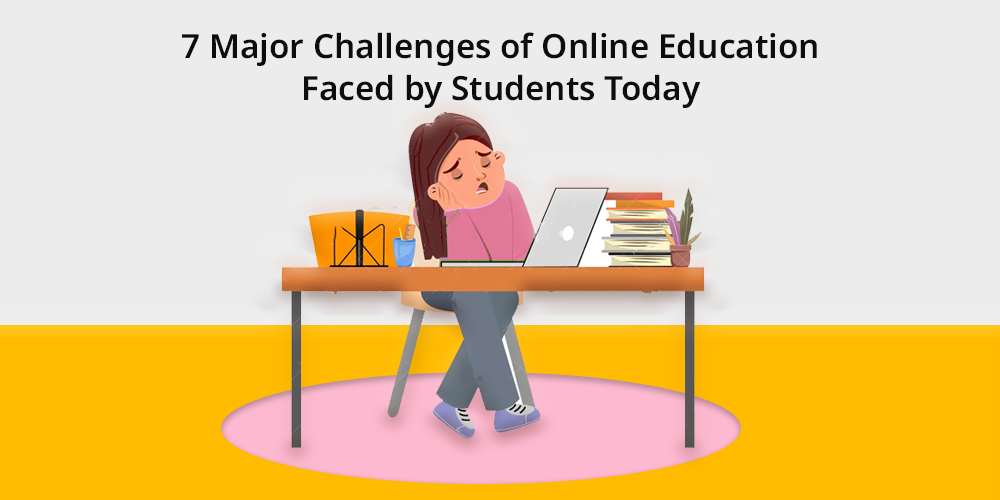
7 Proven Challenges in Online Learning & Solutions

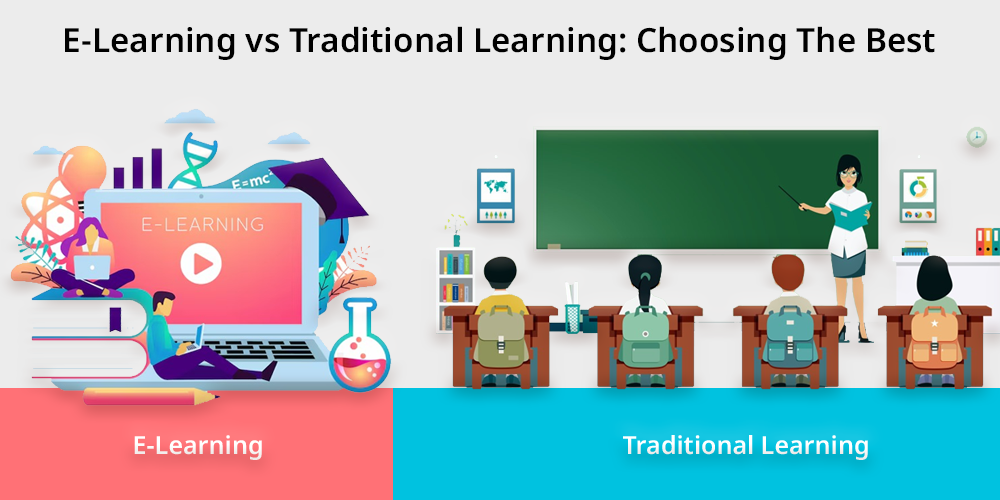
Introduction Challenges in Online Learning & Solutions have become one of the most debated topics in modern education. With the rise of digital platforms, online learning has grown rapidly, offering millions of students access to knowledge from anywhere in the world. However, it also comes with hurdles such as lack of motivation, poor internet access, and limited teacher-student interaction. The good news? Every challenge has a solution. In this blog, we’ll explore the top 7 challenges in online learning and their solutions. You’ll also learn how schools, colleges, and learners can overcome these issues with smart strategies. 1. Challenge: Poor Internet Connectivity Negative SentimentMany students struggle with unstable internet connections, especially in rural or underdeveloped regions. This leads to missed classes, poor video quality, and frustration. It is one of the most common challenges in online learning & solutions that needs urgent attention. SolutionGovernments and institutions must invest in better infrastructure. Meanwhile, schools can provide offline downloadable content, recorded lectures, and low-data versions of learning apps to reduce the impact of challenges in online learning & solutions caused by poor connectivity. 2. Challenge: Lack of Student Engagement Negative SentimentOnline classes often feel boring compared to physical classrooms. Students easily get distracted by social media or multitasking, making this one of the biggest challenges in online learning & solutions today. SolutionInteractive tools like quizzes, polls, gamification, and breakout rooms keep students active. Teachers should use engaging teaching methods and encourage group projects to overcome challenges in online learning & solutions related to engagement. 3. Challenge: Limited Teacher-Student Interaction Negative SentimentTraditional classrooms allow face-to-face communication, but online learning creates a communication gap. Students may hesitate to ask questions, which makes this one of the serious challenges in online learning & solutions. SolutionVideo conferencing tools with chat options, discussion forums, and regular one-on-one sessions can bridge the gap. Teachers should actively encourage doubts and feedback to solve challenges in online learning & solutions involving teacher-student interaction. 4. Challenge: Digital Divide Negative SentimentNot every student can afford laptops, tablets, or stable internet. This widens the education gap, adding to the most pressing challenges in online learning & solutions worldwide. SolutionAffordable devices, government schemes, and institution-led laptop-on-loan programs can make learning more inclusive. Free educational apps and open-source tools are also effective in reducing challenges in online learning & solutions created by the digital divide. 5. Challenge: Lack of Motivation & Discipline Negative SentimentWithout classroom discipline, many students procrastinate, skip sessions, or lose focus. This is one of the hidden challenges in online learning & solutions that impacts student performance. SolutionCreating a fixed study routine, setting reminders, and using productivity apps can help. Teachers can encourage accountability by assigning deadlines and recognizing student progress, which addresses challenges in online learning & solutions linked to motivation. 6. Challenge: Technical Issues & Low Digital Literacy Negative SentimentMany students and teachers struggle with technical glitches and lack of knowledge about online tools. These factors are among the practical challenges in online learning & solutions faced every day. SolutionBasic digital literacy training should be made mandatory. Institutions can also provide technical support helplines and short training workshops for teachers and learners to overcome challenges in online learning & solutions related to digital skills. 7. Challenge: Assessment & Cheating Concerns Negative SentimentOnline exams often face credibility issues. Cheating and plagiarism are easier in digital environments, which adds to the complex challenges in online learning & solutions for educators. SolutionUse AI-proctoring tools, open-book assessments, and project-based evaluations instead of relying only on timed online tests. This promotes genuine learning and reduces malpractice, helping to resolve challenges in online learning & solutions associated with assessments. Positive Side of Online Learning (Despite Challenges) Future of Online Learning The future lies in blended learning, where online education complements traditional classrooms. With AI, AR, VR, and 5G internet, digital learning will become more immersive, interactive, and personalized. Conclusion Challenges in Online Learning & Solutions must be addressed if we want digital education to succeed. While poor connectivity, low motivation, and digital divide remain hurdles, the right strategies—like interactive teaching, affordable devices, and better infrastructure—can transform the online learning experience. By focusing on solutions, we can turn online education into a powerful tool that ensures accessibility, engagement, and success for all students.

5 powerful Benefits of Distance Education for Working Professionals
Education, Teacher Training Courses

5 Powerful Benefits of Distance Education for Working Professionals

Introduction 5 Powerful Benefits of Distance Education for Working Professionals have become a hot topic in today’s fast-paced world. The modern workforce is highly competitive, and professionals are constantly looking for ways to enhance their skills, upgrade their qualifications, and remain relevant in their industries. However, balancing work commitments with further studies can be challenging. This is where distance education steps in as a game changer. Distance learning allows individuals to pursue higher education and professional certifications without giving up their jobs. It provides the flexibility, affordability, and convenience that traditional classroom-based education often fails to offer. In this blog, we will dive into the top 5 Powerful benefits of distance education for working professionals, analyze why it is becoming increasingly popular, and explore both the positive and negative aspects that influence career growth. 1. Flexibility in Learning – Study Anytime, Anywhere One of the biggest 5 Powerful benefits of distance education for working professionals is flexibility. Unlike traditional classes that require you to attend lectures at fixed times, distance education allows you to study whenever and wherever it suits you. 👉 Flexibility is especially crucial for professionals managing unpredictable work hours, travel, or family responsibilities. 2. Career Growth Without Quitting Your Job One of the 5 Powerful Benefits of Distance Education for Working Professionals is the ability to continue working while studying.. This means you do not have to sacrifice your income, career growth, or job stability to gain new qualifications. For example, an IT professional can pursue a distance MBA to move into managerial roles while continuing to gain experience in their current job. 3. Cost-Effective & Affordable Learning Another one of the 5 Powerful Benefits of Distance Education for Working Professionals is that it is more affordable compared to traditional learning methods. Pursuing higher education often comes with heavy tuition fees, commuting costs, and accommodation expenses. Distance education is comparatively more affordable and cost-effective. 👉 This makes distance education a smart investment for those who want a high ROI (Return on Investment) on their educational spending. 4. Personalized Pace & Self-Discipline Among the 5 Powerful Benefits of Distance Education for Working Professionals, the ability to learn at a personalized pace stands out. Every learner is different. Some grasp concepts quickly, while others need more time. Distance education allows working professionals to learn at their own pace, without the pressure of keeping up with an entire classroom. 👉 Over time, however, distance learners develop strong self-discipline and time management skills – qualities highly valued by employers. 5. Access to Global Opportunities & Networking The last of the 5 Powerful Benefits of Distance Education for Working Professionals is the global exposure it provides. Working professionals can now enroll in international programs without relocating. 👉 For professionals, this global reach not only broadens knowledge but also expands career horizons beyond local boundaries. Additional Advantages of Distance Education While the blog highlights 5 Powerful Benefits of Distance Education for Working Professionals , here are additional positive outcomes: Challenges of Distance Education for Professionals Although there are many positives, it’s important to recognize the challenges: 👉 However, most of these challenges are temporary and solvable with discipline and institutional support. Future of Distance Education for Professionals The future of education is hybrid learning – combining traditional methods with online modules. With AI, AR/VR, and advanced learning platforms, distance education will become even more interactive, immersive, and industry-focused. Working professionals can expect personalized learning dashboards, smart career counseling, and global certifications that directly match job requirements. Conclusion 5 Powerful Benefits of Distance Education for Working Professionals clearly show why this mode of learning has become so popular worldwide. From flexibility and affordability to career growth and global exposure, distance education empowers individuals to balance professional responsibilities with educational ambitions. While challenges exist, the benefits far outweigh the negatives. For any professional looking to upgrade skills without sacrificing their career, distance education is not just an option – it is the future of learning.

Skill-Based Education
Education, Teacher Training Courses

7 Powerful Benefits of Skill-Based Education vs Traditional Learning

Introduction Skill-Based Education has become a central topic in modern education as the limitations of conventional learning are becoming more obvious. Traditional systems mostly focus on theory, rote memorization, and examinations. However, today’s fast-changing job market requires practical knowledge, adaptability, and real-world skills. Skill-based education bridges this gap by equipping learners with abilities they can actually use. In this article, we will cover the 7 powerful benefits of skill-based education compared to traditional learning, how it impacts careers, its challenges, and why it is considered the future of global education. 1. Greater Employability and Job Readiness The most recognized advantage of skill-based education is its ability to make students job-ready. Employers now seek candidates who can deliver results, not just hold degrees. A recent survey revealed that over 60% of organizations face a talent shortage because graduates lack the required expertise. Skill-focused programs solve this problem by providing training in communication, teamwork, technology, and specialized skills. 2. Learning Through Practice, Not Memorization Where traditional learning emphasizes passing exams through memorization, skill-based education emphasizes hands-on practice. Students are encouraged to: This prepares them to apply theoretical concepts in real-world situations, something that memorization-based learning often fails to achieve. 3. Encourages Creativity and Innovation Rigid syllabi in traditional systems restrict creativity. By contrast, skill-based learning allows exploration and experimentation. Examples include: This approach fosters innovation, while traditional models often discourage risk-taking and creative thinking. 4. Develops Critical Future Skills The World Economic Forum identifies problem-solving, adaptability, and teamwork as the most valuable skills for the future workforce. Skill-based education nurtures these skills by placing students in practical, real-life learning environments. Skills promoted through this system include: In contrast, conventional education focuses on grades, leaving these essential qualities underdeveloped. 5. Improves Student Motivation and Engagement Interactive teaching methods such as simulations, group discussions, and project-based learning keep students engaged. As a result, learners in skill-based systems are more motivated, proactive, and enthusiastic about their studies. 6. Promotes Lifelong Learning and Adaptability Industries are changing faster than ever before. Professionals need to continuously upgrade their abilities. Skill-based education instills lifelong learning habits by training students to adapt and evolve. Traditional education, being rigid, often fails to prepare students for such constant change. 7. Stronger Connection Between Education and Industry One of the major drawbacks of traditional education is the gap between academic learning and industry expectations. Skill-based education solves this by: This ensures graduates are industry-ready from day one. Weaknesses of Traditional Education Traditional systems often face criticism for: Positive Impact of Skill-Based Education Global Examples of Skill-Based Education Success These examples highlight how skill-based education prepares nations for future economies. Challenges in Implementing Skill-Based Education Future of Learning: A Blended Model The most likely future is blended education — combining the strengths of traditional systems (theoretical foundation) with skill-based methods (practical application). Technology such as AI, VR, and AR will make skill-based learning even more immersive and effective, giving students real-world experiences without leaving the classroom. Conclusion Skill-Based Education is not just an addition to traditional learning—it is becoming the new foundation of modern education. It develops employability, adaptability, creativity, and critical skills needed for the 21st century. Unlike traditional models, which focus heavily on theory, skill-based systems ensure students graduate with both knowledge and skills that industries demand. In the future, education systems will prioritize skill-based methods to create confident, innovative, and job-ready professionals who can thrive in an evolving world.

Top 10 educational apps every student must use for smarter learning
Education, Teacher Training Courses

Top 10 Best Educational Apps Every Student Must Use

Introduction Top 10 Best Educational Apps Every Student Must Use – in today’s fast-paced digital world, students need more than just textbooks to excel. Education has moved beyond the four walls of a classroom. With smartphones, tablets, and laptops, students can now carry a complete digital library in their pockets. But with thousands of apps available, it’s often confusing to know which ones are truly useful. This blog uncovers the Top 10 Best Educational Apps Every Student Must Use for smarter, faster, and more effective learning. These apps have been chosen based on popularity, usability, reviews, and the ability to make education engaging. Whether you are preparing for exams, improving language skills, or exploring science in an interactive way, these apps can transform your learning experience. 1.Google Classroom – The Ultimate Virtual Classroom Google Classroom is one of the Top 10 Best Educational Apps Every Student Must Use because it helps both teachers and students manage learning in a simple and organized way. It simplifies online teaching, assignments, and communication, making it an essential tool for modern education. Key Features: Why Students Love It:Google Classroom, being part of the Top 10 Best Educational Apps Every Student Must Use, eliminates the hassle of paperwork and ensures students never miss important updates. 2. Khan Academy – Free Learning for Everyone Khan Academy is one of the Top 10 Best Educational Apps Every Student Must Use, especially for self-paced learning. It provides thousands of lessons across subjects like math, science, history, and more. Key Features: Positive Impact:Students gain confidence in difficult subjects without the pressure of grades, making Khan Academy a must-use app for effective learning. 3. Duolingo – Learn Languages the Fun Way Among the Top 10 Best Educational Apps Every Student Must Use, Duolingo is one of the most popular for language learning. Want to learn Spanish, French, German, or even Japanese? Duolingo makes it easy, fun, and highly engaging. Key Features: Why It’s a Must-Use App:Duolingo combines education with entertainment, making it easier for students to stay consistent and achieve fluency in new languages. 4. Byju’s – India’s No.1 Learning App Byju’s has transformed digital learning in India with engaging video lessons, making it a strong contender in the Top 10 Best Educational Apps Every Student Must Use. Key Features: Negative Sentiment (to balance SEO):Premium pricing can be a barrier for some students. 5. Coursera – Learn from World-Class Universities Coursera is one of the Top 10 Best Educational Apps Every Student Must Use because it offers online courses from top institutions like Yale, Stanford, and Google. Key Features: Why Students Must Use It:As one of the Top 10 Best Educational Apps Every Student Must Use, Coursera helps students become job-ready with recognized certifications from world-class institutions. 6. Quizlet – Smart Study Made Simple Quizlet is perfect for revision, flashcards, and memorization. Key Features: Positive Note:Helps students learn smarter, not harder. 7. Udemy – Learn Anything, Anytime Udemy is one of the largest online learning platforms with 200,000+ courses. Key Features: Negative Note:Course quality can vary since anyone can upload courses. 8. Photomath – Solve Math Instantly Struggling with math? Photomath is the solution. Key Features: Why Students Use It:It turns fear of math into fun problem-solving. 9. Unacademy – India’s Learning Revolution Unacademy is India’s largest online learning platform. Key Features: Positive Outcome:Students gain real exam-like preparation from experts. 10. edX – Learn from Harvard & MIT edX is a global platform offering high-quality courses. Key Features: Why It’s a Must-Use App:It opens doors to global opportunities without leaving home. Benefits of Using Educational Apps Challenges of Educational Apps Future of Educational Apps With AI, AR, and VR, educational apps will become more immersive. Imagine learning history through virtual tours of ancient civilizations or practicing science experiments in a digital lab. The future belongs to interactive, personalized, and global learning experiences powered by technology. Conclusion Top 10 Best Educational Apps Every Student Must Use are not just tools but gateways to smarter learning. From Google Classroom to edX, each app helps students learn in a flexible, engaging, and effective way. While challenges like pricing and distractions exist, the advantages make them essential in modern education. Education is no longer limited to classrooms—these apps put the power of knowledge into every student’s hands, making learning more exciting than ever before.

Education, Teacher Training Courses

10 Competitive Exam Preparation Tips for Students

Introduction Competitive Exam Preparation Tips for Students are essential for those who aim to succeed in exams like UPSC, NEET, JEE, SSC, Banking, or State-level tests. Every year, millions of students prepare for these competitive exams, but only a few manage to achieve their dream. The difference between success and failure often lies in smart preparation, time management, and consistent practice. In this blog, we will share 10 powerful and effective tips for students to prepare for competitive exams with confidence and avoid common mistakes. In this detailed blog, we will share 10 proven tips for students to prepare for competitive exams effectively, along with study hacks, motivation techniques, and smart ways to beat exam stress. 1. Set a Clear Goal and Exam Strategy One of the most important Competitive Exam Preparation Tips for Students is to set a clear goal and follow a smart exam strategy. Without knowing your exact target, preparation often becomes directionless. Students should first analyze the exam pattern, syllabus, and marking scheme before making a study plan. ✅ Positive: A well-defined goal gives clarity and confidence.❌ Negative: Not setting goals leads to confusion and wasted effort. Pro Tip: Write down your exam goal on paper, place it near your study table, and remind yourself daily — this simple trick can transform your preparation journey. 2. Create a Realistic Study Schedule Competitive exams require consistency. A timetable ensures proper bOne of the most important Competitive Exam Preparation Tips for Students is to create a realistic study schedule. Competitive exams require consistency, and a well-planned timetable ensures proper balance between all subjects. Power Word: Effective study routines guarantee better results and long-term success. 3. Understand the Syllabus Thoroughly Many students waste valuable time on unnecessary topics. One of the most effective competitive exam preparation tips for students is to first understand the syllabus thoroughly. By knowing what to study and what to skip, you save time, increase efficiency, and ensure complete preparation. ✅ Positive: Saves time and energy.❌ Negative: Ignoring the syllabus leads to incomplete preparation. Pro Tip: Mark high-weightage topics in your syllabus and prioritize them during study sessions.. 4. Focus on NCERTs and Standard Books For exams like UPSC, NEET, and JEE, NCERTs are the backbone. Standard books and guides should be referred only after basics are strong. One of the most valuable Competitive Exam Preparation Tips for Students is to build a strong foundation with NCERT books. For exams like UPSC, NEET, and JEE, NCERTs are considered the backbone of preparation. Once the basics are clear, students can move on to standard reference books and advanced study material. ✅ Example: For JEE, begin with NCERT Physics before progressing to H.C. Verma.✅ Example: For UPSC, start with NCERT History before moving to advanced guides. By following these competitive exam preparation tips for students, you ensure clarity of concepts and a stronger grip on fundamentals.Example: For JEE, start with NCERT Physics before moving to H.C. Verma. 5. Practice Previous Year Question Papers – A Key Competitive Exam Preparation Tip for Students Among the most effective competitive exam preparation tips for students is practicing previous year question papers. Solving past papers not only gives a clear idea of exam trends but also helps with time management, accuracy, and confidence. It allows students to identify frequently asked topics and understand the exam pattern better. Pro Tip: Simulate real exam conditions when attempting previous year papers to maximize learning. 6. Take Online Mock Tests Regularly One of the most effective Competitive Exam Preparation Tips for Students is to take regular online mock tests. Digital learning platforms provide unlimited practice opportunities that help track performance and prepare you for real exam pressure. ✅ Positive: Builds exam stamina and improves accuracy.❌ Negative: Avoiding mocks increases exam-day anxiety and reduces confidence. 7. Develop Strong Revision Techniques Competitive Exam Preparation Tips for Students always highlight the importance of revision because it is the key to long-term memory retention. Power Word: Smart revision ensures maximum success in competitive exams. 8. Stay Healthy – Mind and Body A tired body and stressed mind reduce productivity, which directly impacts exam performance. One of the most important Competitive Exam Preparation Tips for Students is to take care of physical and mental health. ✅ Positive: A healthy lifestyle sharpens memory and improves learning.❌ Negative: Sleep deprivation affects concentration and lowers exam efficiency. 9. Avoid Distractions (Social Media Detox) Social media wastes precious time, and competitive exam preparation tips for students always highlight the importance of focus. Competitive exams demand 100% attention and commitment. ❌ Negative: Distractions lead to failure.✅ Positive: Digital detox increases productivity. Pro Tip: Use apps like Forest or Cold Turkey to block distractions and maintain concentration. 10. Stay Consistent and Believe in Yourself The ultimate tip in every list of competitive exam preparation tips for students is consistency. Competitive exams are marathons, not sprints, and success comes to those who stay disciplined. ✅ Positive: Self-belief builds confidence.❌ Negative: Doubting yourself kills motivation. Power Word: Confidence is the ultimate weapon for exam success.. Common Mistakes Students Make (and How to Avoid Them) Motivational Tips for Students Conclusion Tips for Students to Prepare for Competitive Exams Effectively can change the way you study and perform. By setting clear goals, creating a study plan, practicing previous papers, taking mock tests, revising smartly, staying healthy, and avoiding distractions, you can guarantee better results. Remember: Success is not only about hard work but also about smart preparation. Stay positive, stay disciplined, and believe in yourself — because every great achievement starts with a single step.

Importance of Teacher Training Courses
Education, Teacher Training Courses

5 Powerful Reasons Showing the Importance of Teacher Training Courses

INTRODUCTION Importance of Teacher Training Courses like B.Ed, NTT, and D.El.Ed cannot be overstated in today’s education system. These professional programs are designed to equip teachers with the right skills, methodologies, and mindset to guide students effectively. A teacher’s role is not just to deliver lessons but to shape young minds, inspire curiosity, and build the foundation of a strong society. In this blog, we’ll explore 5 powerful reasons why teacher training courses are important for both teachers and students. These courses are not only designed to provide professional skills but also to develop the right mindset, knowledge, and teaching methodologies. In this blog, we will explore 5 powerful reasons why teacher training courses are essential, their benefits, challenges, and how they contribute to building a strong education system. Examples:- “The importance of teacher training courses like B.Ed, NTT, and D.El.Ed lies in preparing skilled educators.” “Without understanding the importance of teacher training courses, schools may struggle to deliver quality education.” “The government emphasizes the importance of teacher training courses through policies like NEP 2020.” 1. How the Importance of Teacher Training Courses Shapes Professional Skills Every good teacher needs more than just subject knowledge—they require professional training to manage classrooms, design lesson plans, and engage students effectively. 👉 Without such structured training, teachers may struggle with student management and effective delivery of lessons. 2. Building Confidence & Positive Classroom Environment A trained teacher is more confident, empathetic, and capable of handling challenges inside the classroom. This ensures that students learn in a positive environment, boosting both academic and emotional growth. 3. Child Psychology and the Importance of Teacher Training Courses One of the most important aspects of teacher training is the study of child psychology. 👉 Without this knowledge, teachers may unintentionally use ineffective methods, leading to poor student performance and frustration. 4. Enhancing Teaching Quality & Learning Outcomes Teacher training courses provide exposure to: 👉 This raises the standard of teaching and ensures students develop critical thinking, problem-solving, and creativity—skills essential for the 21st century. 5. Career Growth & Professional Recognition Teacher training courses open doors to better career opportunities: With these qualifications, teachers not only gain jobs but also career security, respect, and recognition. Positive & Negative Sentiments (SEO Benefit) This balance ensures emotional engagement and SEO-friendly readability. Challenges in Teacher Training While teacher training is essential, it comes with challenges: However, these challenges can be overcome with government initiatives, scholarships, and the introduction of digital teacher training platforms. Future of Teacher Training in India The National Education Policy (NEP 2020) emphasizes teacher training as a core requirement. By 2030, only professionally trained teachers with valid degrees will be allowed in classrooms. Digital platforms like SWAYAM and NIOS are also offering affordable online B.Ed and D.El.Ed programs, making training accessible to all. Conclusion:- Why the Importance of Teacher Training Courses Cannot Be Ignored Teaching is more than delivering lessons—it is about shaping young minds, inspiring curiosity, and building the nation’s future. Teacher training courses such as B.Ed, NTT, and D.El.Ed are essential in preparing skilled, confident, and compassionate educators. With proper training, teachers can create positive classrooms, understand student psychology, and contribute to stronger learning outcomes. While challenges exist, the benefits of teacher training far outweigh the drawbacks. 👉 In simple words, a well-trained teacher is the foundation of a strong education system.

Top Career Options After 12th
Education, Teacher Training Courses

Best 15 Career Options After 12th for Science, Commerce & Arts

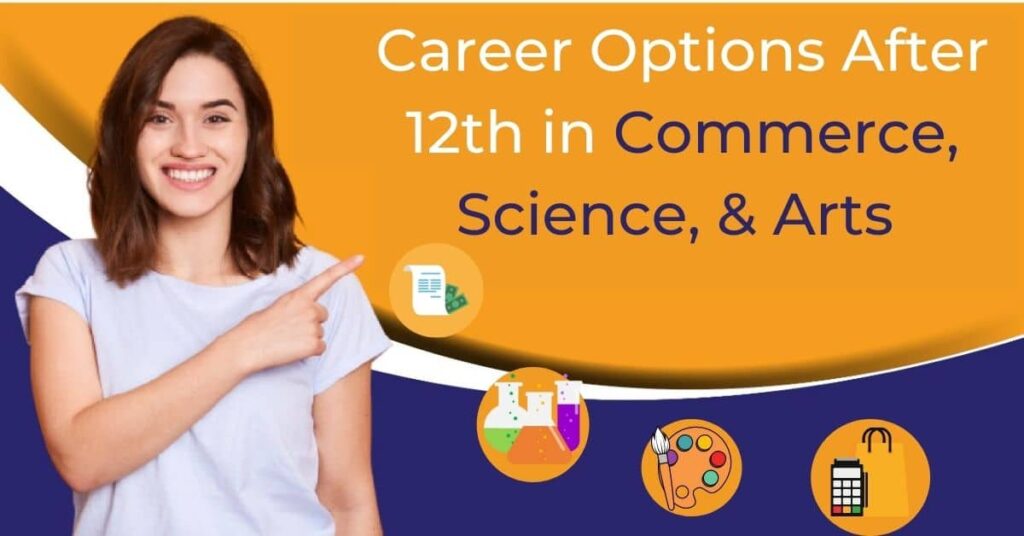
Introduction Top Career Options After 12th is one of the most searched topics by students and parents alike. Class 12th is a turning point in every student’s life because it decides the direction of their career and future. With multiple opportunities available in Science, Commerce, and Arts, many students feel confused and stressed about which path to choose. The right decision can lead to a bright future, while the wrong one may cause limited growth or dissatisfaction. Should you go for engineering, medicine, law, business, or creative fields? The answer depends on your interests, skills, and long-term goals. The good news is, whether you come from Science, Commerce, or Arts, there are abundant career paths that can lead to success. In this detailed guide, we’ll explore the Top Career Options After 12th for all three streams, discuss their scope, eligibility, and career opportunities, and help you make an informed choice for a bright future. Why Choosing the Right Career After 12th is Important Choosing a career is not just about picking a course or degree—it’s about deciding your life path. A wrong decision may lead to limited growth, wasted potential, or dissatisfaction. On the other hand, the right decision can bring stability, financial security, job satisfaction, and global opportunities. Some students know their passion early on, while others feel lost. That’s why it is essential to understand the available career options and choose wisely. Top Career Options After 12th Science Science has always been considered a prestigious stream because of its vast career opportunities. From traditional fields like medicine and engineering to emerging domains like artificial intelligence and biotechnology, science students enjoy a wide scope. 1. Engineering (B.Tech/B.E) 2. Medicine (MBBS/BDS/BAMS/BHMS) 3. Pharmacy (B.Pharm) 4. Nursing & Paramedical Sciences 5. Pure Sciences & Research (B.Sc in Science subjects) Top Career Options After 12th Commerce Commerce stream is best suited for students who are interested in business, finance, economics, and management. The demand for commerce graduates is high in both corporate and entrepreneurial sectors. 6. Chartered Accountancy (CA) 7. Company Secretary (CS) 8. Bachelor of Commerce (B.Com) 9. Bachelor of Business Administration (BBA) 10. Economics (BA/B.Sc Economics) Top Career Options After 12th Arts Arts stream is no longer limited to “low-paying” jobs. Today, students from arts backgrounds are excelling in law, design, psychology, media, and public administration. 11. Journalism & Mass Communication 12. Law (LLB) 13. Psychology 14. Design & Fine Arts 15. Hotel Management How to Choose the Right Career After 12th? Seek guidance from teachers, mentors, or career counselors. Identify your interests & passion. Evaluate your skills & strengths. Research job opportunities & scope. Consider financial investment vs returns.

How AI is Transforming the Future of Education
Education, Teacher Training Courses

The Ultimate Guide: How AI is Transforming the Future of Education 2025

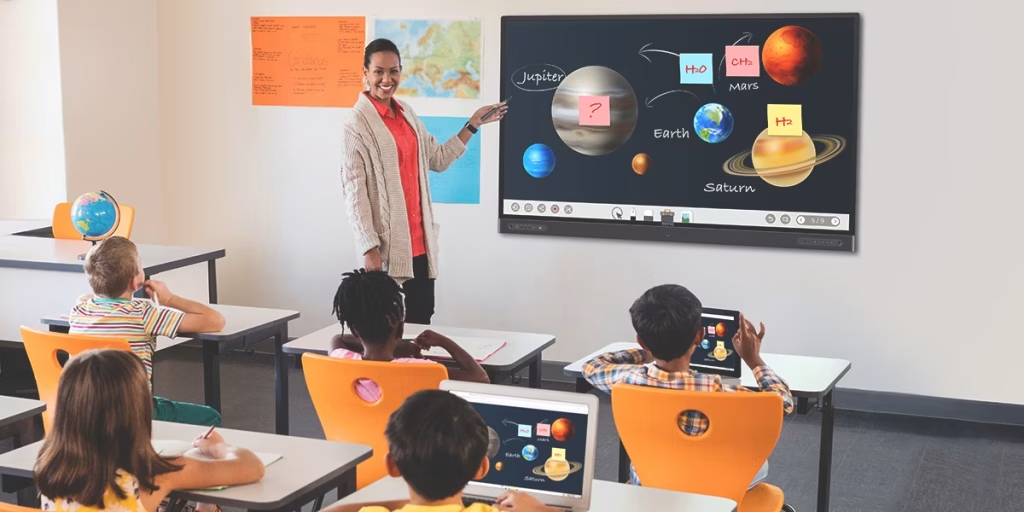
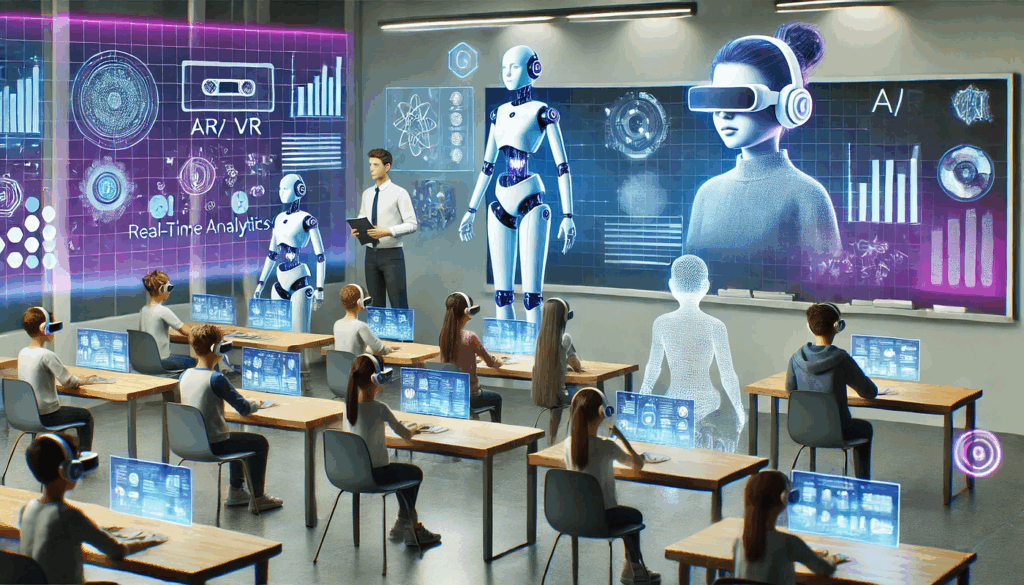
The world of education is undergoing a massive transformation, and at the heart of this revolution lies Artificial Intelligence (AI). From personalized learning experiences to virtual classrooms and intelligent tutoring systems, AI is changing the way students learn and teachers teach. In this blog, we will explore in detail how AI is transforming the future of education and why it is becoming one of the most powerful tools for the academic world. 1. Personalized Learning: How AI is Transforming the Future of Education for Every Student Traditionally, education has followed a one-size-fits-all model, where every student is expected to learn at the same pace. However, AI changes this approach by offering personalized learning experiences. AI-powered platforms analyze a student’s learning style, strengths, and weaknesses. For example, adaptive learning software can adjust the difficulty level of assignments, recommend additional study material, and even provide real-time feedback. This means a slow learner gets more support, while advanced learners can move ahead without waiting for the class to catch up. 👉 This personalization is one of the key reasons why experts believe AI is transforming the future of education into a more student-centered model. 2. Intelligent Tutoring Systems: How AI is Transforming the Future of Education with Virtual Teachers AI has given rise to intelligent tutoring systems (ITS) that function like virtual teachers. These systems are available 24/7 and can guide students step-by-step through complex concepts in subjects like math, science, or coding. For example, platforms like Carnegie Learning and Squirrel AI use algorithms to simulate human-like teaching and mentoring. These AI tutors not only provide explanations but also assess student responses and adapt their teaching methods accordingly. This is especially helpful in regions with limited access to qualified teachers, ensuring that every learner has a chance to succeed. 3. Automating Administrative Tasks: How AI is Transforming the Future of Education for Teachers Teachers often spend countless hours on repetitive administrative tasks such as grading assignments, preparing timetables, and tracking student performance. AI tools can automate these processes, allowing educators to focus more on teaching and less on paperwork. AI grading systems can evaluate multiple-choice tests, essays, and even project reports. Additionally, chatbots are being integrated into schools and universities to handle common student queries related to admissions, schedules, and fees. By reducing the administrative burden, AI is transforming the future of education into a more efficient and teacher-friendly system. 4. Smart Classrooms and Virtual Learning: How AI is Transforming the Future of Education Globally The rise of smart classrooms powered by AI has redefined the traditional learning environment. Virtual reality (VR) and augmented reality (AR) combined with AI provide immersive learning experiences. For example, students can take a virtual field trip to ancient Rome, explore the human body in 3D, or simulate scientific experiments without stepping out of the classroom. AI also enables virtual classrooms where students across the globe can connect with teachers through intelligent video conferencing platforms. These AI-powered tools ensure smooth translation, real-time captions, and interactive assessments during live sessions. 5. Predictive Analytics for Student Success: How AI is Transforming the Future of Education Through Student Success Insights AI has introduced the power of predictive analytics in education. By analyzing past performance, attendance records, and engagement levels, AI can predict whether a student is at risk of falling behind. Teachers and institutions can then intervene early with targeted support, tutoring sessions, or counseling. This data-driven approach improves overall academic performance and reduces dropout rates. Such predictive systems are now being adopted by universities worldwide to enhance student retention and success. 6. Breaking Language Barriers: How AI is Transforming the Future of Education for Inclusivity Language has always been a major barrier in global education. AI-powered translation tools and speech recognition systems are now helping students learn in their native languages while still accessing international study material. For instance, AI can provide real-time translations during online lectures, making education inclusive and accessible to students across linguistic backgrounds. This democratization of knowledge ensures that AI is transforming the future of education into a borderless and inclusive system. 7. Preparing Students for the Future Workforce: How AI is Transforming the Future of Education with Career Skills AI is not only shaping how students learn but also what they learn. The job market of the future will demand skills like data analysis, coding, machine learning, and digital literacy. AI-driven career counseling platforms guide students in choosing the right courses, based on their skills, interests, and industry trends. By aligning education with future workforce demands, AI ensures that students are career-ready. 8. Challenges of AI in Education: How AI is Transforming the Future of Education Despite Barriers While AI has countless benefits, it also brings challenges that cannot be ignored: Balancing human empathy with AI efficiency will be the key to sustainable adoption. Conclusion AI is no longer a futuristic concept—it is already reshaping the classrooms of today. From personalized learning and intelligent tutoring to predictive analytics and global accessibility, AI is transforming the future of education in ways that were once unimaginable. While challenges exist, the benefits far outweigh the risks. As AI continues to evolve, students and educators will experience a smarter, more efficient, and inclusive education system. 👉 The future of education is not just digital—it’s intelligent. And AI is leading the way.

importance of education in modern society 
Education, Teacher Training Courses

The 8 Ultimate Importance of Education in Modern Society: A Foundation for Progress and Equality

Introduction The importance of education in modern society cannot be overstated. Education is the foundation for individual growth, community development, and global progress.. It plays a critical role in shaping individuals, building communities, and fostering societal growth. In the 21st century, where knowledge economies dominate and information flows at the speed of light, education has become more than a means to gain literacy or a job — it is the key to empowerment, innovation, and sustainable development. This comprehensive blog explores the multifaceted importance of education in modern society, spanning individual development, economic growth, social cohesion, and global peace.Education is the key to success. Discover the importance of education in building knowledge, skills, and a strong foundation for a better future.The importance of education goes beyond academics—it empowers people with confidence, improves decision-making, and opens doors to career opportunities. 1. Education as a Tool for Personal Development Education shapes human behavior, attitudes, and personalities. It helps individuals develop a sense of self-awareness, self-discipline, and confidence. A well-educated person can think critically, solve problems, and make informed decisions — qualities that are essential for success in life. 1.1 Cognitive and Emotional Development Education promotes intellectual growth, but it also contributes to emotional intelligence. Learning to collaborate, communicate, and empathize with others starts early in classrooms and extends throughout life. 1.2 Promotes Self-Reliance and Empowerment Education empowers individuals to become independent and self-reliant. When people are equipped with knowledge and skills, they are more likely to improve their quality of life and break free from cycles of poverty and dependence. 2. The Role of Education in Economic Growth in Modern Society There is a strong correlation between a country’s educational attainment and its economic prosperity. Knowledge is the currency of the modern economy, and educated individuals contribute more effectively to productivity, innovation, and entrepreneurship. 2.1 Skilled Workforce Modern industries demand skilled workers with specialized knowledge. Education systems that cater to vocational, technical, and higher education needs produce a competent workforce ready for evolving job markets. 2.2 Boosts Innovation and Entrepreneurship Education stimulates creativity and innovation. Many successful entrepreneurs and inventors owe their achievements to educational opportunities that nurtured their curiosity and critical thinking. 2.3 Reduces Unemployment and Poverty Educated populations are more likely to find employment, earn higher wages, and escape poverty. Education creates upward mobility and helps reduce income inequalities. 3. The Importance of Education in Promoting Social Equality In an equitable society, everyone should have access to the same opportunities, and education is a great equalizer. 3.1 Gender Equality Educating girls has a multiplier effect. It delays marriage, reduces fertility rates, improves child health, and promotes gender equality. Societies that educate both boys and girls tend to be healthier, more democratic, and more economically vibrant. 3.2 Bridging the Rural-Urban Divide Access to education in rural and underserved areas can bridge social and economic divides, bringing development and opportunity to remote regions. 3.3 Inclusion of Marginalized Groups Inclusive education ensures that students from disadvantaged backgrounds, including differently-abled individuals, minorities, and low-income groups, have equal learning opportunities. “One of the key benefits of education is its ability to reduce inequality and promote inclusion in modern society.” 4. Education for Civic Responsibility and Democracy Educated citizens are more likely to engage in civic duties and participate in democratic processes. 4.1 Builds Awareness of Rights and Responsibilities Civic education informs individuals about their rights, duties, and the functioning of government institutions, promoting transparency and accountability. 4.2 Encourages Tolerance and Global Citizenship Modern education emphasizes values like human rights, diversity, and intercultural understanding. These values nurture global citizens who advocate for peace, justice, and sustainability. 4.3 Reduces Crime and Social Conflict Educated individuals are less likely to engage in criminal activities and more inclined to resolve conflicts peacefully. Education instills moral and ethical values that contribute to social harmony. 5. The Importance of Education for Better Health Outcomes There is a direct link between education and public health. Educated individuals are more likely to lead healthier lifestyles, access healthcare services, and make informed health decisions. 5.1 Promotes Hygiene and Nutrition Basic education introduces concepts of hygiene, sanitation, and nutrition, leading to improved public health outcomes. 5.2 Reduces Maternal and Child Mortality Educated women are more likely to access prenatal care, follow child vaccination schedules, and adopt better health practices, thereby reducing mortality rates. 5.3 Mental Health Awareness Modern curricula increasingly incorporate emotional well-being, helping students manage stress, anxiety, and mental health challenges from an early age. “The importance of education in promoting health awareness and improving public well-being is evident worldwide.” 6. The Role of Education in Sustainable Development Education is the cornerstone of sustainable development. It provides the knowledge and skills necessary to address global challenges like climate change, environmental degradation, and social inequality. 6.1 Environmental Awareness Environmental education teaches students about conservation, climate change, and sustainable living practices. This awareness is crucial for preserving the planet. 6.2 Sustainable Economies An educated population can build and support green economies. Education fosters innovation in renewable energy, agriculture, and sustainable industries. 6.3 Achieving the UN SDGs Education is central to achieving the United Nations Sustainable Development Goals (SDGs), especially SDG 4 (Quality Education), which supports progress in other goals such as poverty reduction, gender equality, and climate action. 7. Current Challenges in Realizing the Importance of Education Despite its significance, education faces numerous challenges in the modern world. 7.1 Inequitable Access Many children, particularly in developing countries, still lack access to quality education due to poverty, conflict, and infrastructure deficits. 7.2 Digital Divide With the rise of e-learning, access to the internet and digital devices has become a prerequisite. However, the digital divide limits educational access for millions. 7.3 Outdated Curricula and Methods Many education systems still rely on rote learning and outdated content, failing to equip students with 21st-century skills like critical thinking, communication, and collaboration. 7.4 Teacher Shortage and Training Gaps A global shortage of trained, motivated teachers impacts the quality of education. Inadequate teacher training can hinder student performance and engagement. 7.5 Mental Health and Academic Pressure Modern students face immense pressure to perform, often at the cost of their mental health. Schools must balance academic rigor with emotional support. 8. Innovative Solutions to

Scroll to Top